Best bonsai starter kit
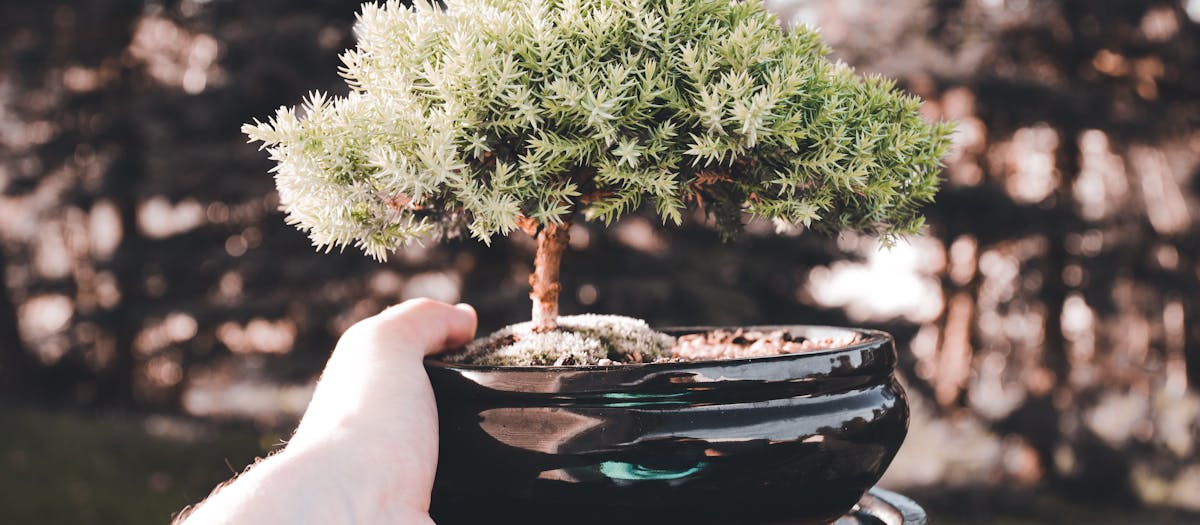
A starter kit is the simplest way to begin: one purchase that bundles a tree, a pot, soil and a few tools, so you are not making five separate decisions before you have grown anything. The catch is that kits vary wildly. The good ones give you a forgiving species and real bonsai soil; the poor ones pair a temperate tree with an "indoor" label and a bag of potting mix that will rot the roots. This guide explains what separates the two, then points you to the picks once they are verified.
How to read this. The value here is the framework — what a kit must actually contain to set a beginner up to succeed — so you can judge any kit on the shelf, not just the ones below. Read the framework first, then look at the picks.
How to choose a starter kit
Five things decide whether a kit helps or hurts a beginner. They are exactly the columns in the comparison below.
Tree species — forgiving, and suited to your spot
The species is the most important thing in the box. A forgiving tree — ficus or jade for indoors, juniper or Chinese elm for outdoors — survives a beginner's mistakes. Match it to where you can keep it: an indoor spot needs a tropical species, full stop. The species hub works through the indoor-vs-outdoor decision in detail.
Pot included — with drainage holes
A kit should include a pot the tree can actually live in, with drainage holes so the fast-draining soil can do its job. A plain training pot is fine to start; the showy glazed ceramic can wait. Watch for kits where the "pot" is a flimsy plastic tray that holds water.
Soil included — bonsai soil, not potting mix
This is where cheap kits cut the corner that matters most. Real bonsai soil is a gritty, fast-draining mix; ordinary potting soil in a shallow pot stays wet and rots the roots. If a kit includes potting mix, plan to replace it with a proper bonsai soil regardless of what the box says.
Tools included — enough to start, not a fifteen-piece roll
A useful kit includes a pair of shears or scissors, and perhaps a little wire. That is plenty for a first year. You do not need a fifteen-piece tool roll, and a kit padded with cheap tools is often hiding a weak tree or soil. See the tools guide for what is worth upgrading.
Indoor / outdoor — and whether the label is honest
The label is not always truthful. Junipers are routinely sold in "indoor bonsai" kits even though they are outdoor trees that decline indoors. Confirm the species can live where you intend to keep it, rather than trusting the marketing. This single check prevents the most common way a first kit ends in a dead tree.
The starter kits compared
A short list of widely available kits, compared on the five things above. Specs are verified against manufacturer and current Amazon listings — no hands-on testing claims, just what is in the box and whether it sets a beginner up to succeed.
| Best for | Tree species | Pot included | Soil included | Tools included | Indoor / outdoor |
|---|---|---|---|---|---|
| Best overall | Fukien Tea (Carmona retusa) | Yes — glazed ceramic pot + drip tray | Yes — professional blend | No | Indoor |
| Best budget | 5 varieties — Black Locust, Jacaranda, Crape Myrtle, Pigeon Pea, Delonix Regia | Yes — 5 waterproof burlap pots | Yes — 5 pre-fertilized expanding soil discs | Yes — basic tool set in burlap bag | Both (species vary) |
| Best live-tree kit | Green Mound Juniper (Juniperus procumbens) | Yes — decorative training container | Yes — professional bonsai blend | No | Outdoor |
| Best grow-from-seed kit | 5 varieties — Crape Myrtle, Flame Tree, Blue Jacaranda, Pigeon Pea + bonus | Yes — growing pots included | Yes | Yes — complete starter set | Indoor (germination); outdoor when mature |
| Best gift kit | 4 varieties (species per pack) | Yes — reusable pots | Yes — growing medium | No | Indoor |
Our top picks
Best overall: Brussel's Bonsai Live Fukien Tea Bonsai Tree Kit - Medium Indoor Bonsai Fukien Tree

Best overall
Brussel's Bonsai Live Fukien Tea Bonsai Tree Kit - Medium Indoor Bonsai Fukien Tree
Brussel's Bonsai
- Tree species: Fukien Tea (Carmona retusa)
- Pot included: Yes — glazed ceramic pot + drip tray
- Soil included: Yes — professional blend
- Tools included: No
- Indoor / outdoor: Indoor
- Best for: Beginners who want a live flowering tree immediately
A 6-year-old live Fukien Tea delivered in a glazed ceramic pot with professional soil — just add water. The compact canopy blooms nearly year-round with tiny white flowers and the glossy leaves stay evergreen indoors. No experience needed; Brussel's includes a detailed care guide and a 30-day guarantee.
Last checked 2026-05-21
Best budget: Planter's Choice Bonsai Tree Starter Kit — Grow 5 Unique Bonsai Varieties

Best budget
Planter's Choice Bonsai Tree Starter Kit — Grow 5 Unique Bonsai Varieties
Planter's Choice
- Tree species: 5 varieties — Black Locust, Jacaranda, Crape Myrtle, Pigeon Pea, Delonix Regia
- Pot included: Yes — 5 waterproof burlap pots
- Soil included: Yes — 5 pre-fertilized expanding soil discs
- Tools included: Yes — basic tool set in burlap bag
- Indoor / outdoor: Both (species vary)
- Best for: Budget beginners, gift givers
Five seed varieties, five biodegradable pots, five pre-fertilized soil discs, a basic tool kit, and an illustrated guide — all for under $36. Nothing germinates overnight, but Planter's Choice makes the grow-from-scratch process genuinely fun and nearly foolproof. Excellent value for someone who wants to try bonsai without a large upfront commitment.
Last checked 2026-05-21
Best live-tree kit: Brussel's Bonsai Live Green Mound Juniper Bonsai Tree Kit — Outdoor Bonsai, 3 Years Old, 6–8 Inches

Best live-tree kit
Brussel's Bonsai Live Green Mound Juniper Bonsai Tree Kit — Outdoor Bonsai, 3 Years Old, 6–8 Inches
Brussel's Bonsai
- Tree species: Green Mound Juniper (Juniperus procumbens)
- Pot included: Yes — decorative training container
- Soil included: Yes — professional bonsai blend
- Tools included: No
- Indoor / outdoor: Outdoor
- Best for: Traditional outdoor bonsai practice
A 5-year-old Green Mound Juniper — one of the most iconic beginner bonsai species — arrives ready to style. The dense, lush foliage holds wire beautifully and the cold-hardy juniper thrives on a patio or balcony. Pot it yourself with the included decorative container and soil for the full hands-on bonsai experience.
Last checked 2026-05-21
Best grow-from-seed kit: AVERGO Bonsai Tree Kit Classic — 5X Unique Japanese Bonsai Trees, Complete Indoor Starter Kit

Best grow-from-seed kit
AVERGO Bonsai Tree Kit Classic — 5X Unique Japanese Bonsai Trees, Complete Indoor Starter Kit
AVERGO
- Tree species: 5 varieties — Crape Myrtle, Flame Tree, Blue Jacaranda, Pigeon Pea + bonus
- Pot included: Yes — growing pots included
- Soil included: Yes
- Tools included: Yes — complete starter set
- Indoor / outdoor: Indoor (germination); outdoor when mature
- Best for: Patient beginners who want the full grow-from-scratch experience
AVERGO packs five tropical seed varieties — including the show-stopping Flame Tree and Blue Jacaranda — with everything needed for germination. Bonus seed packets absorb early failures without frustration. The all-inclusive approach means nothing extra to buy, and the growing journal keeps progress on track through the slow, rewarding process.
Last checked 2026-05-21
Best gift kit: HOME GROWN Bonsai Tree Kit — Grow 4 Bonsai Trees, Unique Gift for Men and Women

Best gift kit
HOME GROWN Bonsai Tree Kit — Grow 4 Bonsai Trees, Unique Gift for Men and Women
HOME GROWN
- Tree species: 4 varieties (species per pack)
- Pot included: Yes — reusable pots
- Soil included: Yes — growing medium
- Tools included: No
- Indoor / outdoor: Indoor
- Best for: Gift giving; beginner hobbyist
Grow four bonsai from seed with reusable pots, growing medium, and clear instructions packed into a gift-ready box. HOME GROWN keeps it simple enough for any skill level — just add water and patience. At under $29, it's one of the most thoughtful plant gifts you can give without breaking the bank.
Last checked 2026-05-21
Who should buy what
Indoor growers
Choose a kit built around a tropical species — a ficus is the safest, jade the most drought-forgiving. Give it the brightest spot you have, and if your light is thin in winter, add a grow light.
Outdoor growers
A juniper or Chinese elm kit suits a balcony or yard. Check the species against your USDA zone, and give the pot some shelter in hard winter freezes.
Gift buyers
A complete gift kit with a forgiving species and honest soil is a kind present; a juniper labelled "indoor" is an accidental disappointment. If you are buying for someone with pets, lean toward a non-toxic ficus and check the ASPCA toxic-plant list first.
What to buy alongside the kit
Two things make almost every starter kit better. The first is real bonsai soil, in case the kit's soil is potting mix or runs short at the first repot — it is the cheapest thing that keeps a tree alive. The second is a basic tool set, since the tools bundled in many kits are minimal. Get those two right alongside the kit and you have a complete, forgiving setup.
Frequently asked questions
Are bonsai starter kits any good for beginners?
The good ones are a genuinely sensible way to start, because they bundle a forgiving species with a pot, real bonsai soil and basic tools so you are not making five separate decisions. The weak ones pair a temperate tree with an "indoor" label or include ordinary potting soil. Choose a kit by what is actually in it.
What should a good bonsai starter kit include?
A forgiving species suited to where you will keep it, a pot with drainage holes, real fast-draining bonsai soil rather than potting mix, and a few basic tools such as shears. A watering aid and a little wire are nice extras. The species and the soil matter most; the rest you can upgrade later.
Should I get a live-tree kit or a grow-from-seed kit?
For most beginners, a live-tree kit. A seed kit is really a packet of seeds and a long wait — years before anything looks like a bonsai, and many seeds never make it. A live young tree lets you start learning care and styling now. Seed kits are better understood as a gardening novelty than a route to a bonsai.
Is the tree in a starter kit an indoor or outdoor tree?
It depends on the species, and the kit label is not always honest. A ficus or jade kit is genuinely indoor-capable; a juniper kit is an outdoor tree however it is marketed. Check the species against where you can keep it before buying — matching the tree to the place is the decision that most often decides whether a first tree lives.
How much should a bonsai starter kit cost?
A useful live-tree kit usually runs somewhere in the $30 to $80 range depending on the tree and what is bundled. Very cheap kits often cut the corner that matters most — the soil, or the honesty of the species label. You are paying for a living tree and a sensible setup, not a box of accessories.
Are any starter-kit species toxic to pets?
Some kit species can be. Sago palm is highly toxic to dogs and cats, and azalea is toxic too. We give no medical advice — if you have pets, check the ASPCA toxic-plant list before buying and keep any toxic species out of reach. A ficus kit is a non-toxic, forgiving default when you are unsure.