Bonsai tree species
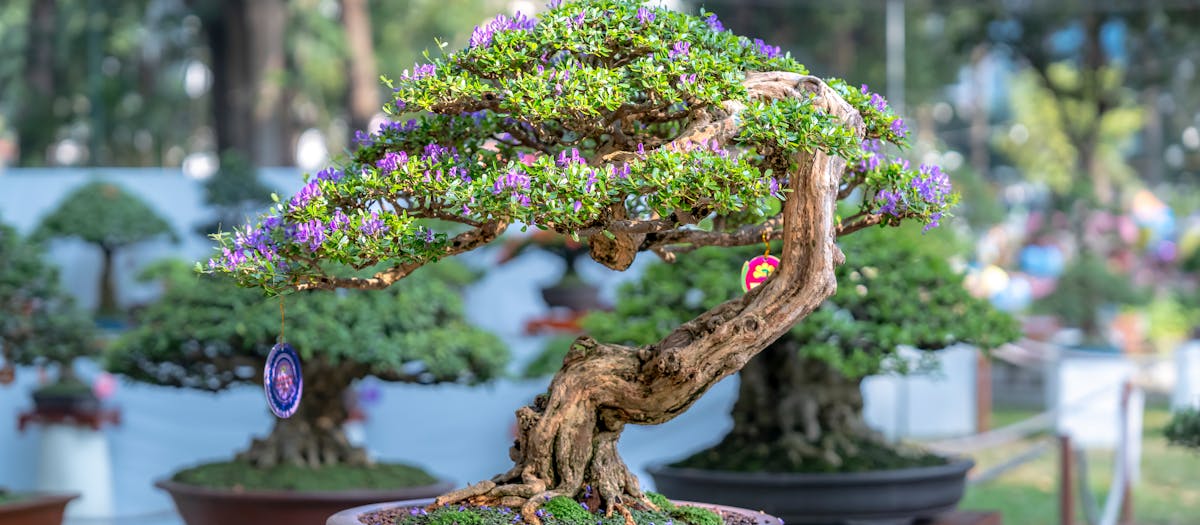
Choosing your first bonsai is mostly one decision made in the right order: where can you keep a tree, and which species suits that spot. Get that right and a forgiving species will put up with a beginner's mistakes for years. This silo works through the indoor-vs-outdoor question, your USDA hardiness zone, and the species that actually survive a learner — then points you to the kit that ties it all together.
Indoor or outdoor: decide this first
Almost every first bonsai that dies, dies from this one choice made wrong. Trees are either temperate or tropical, and that decides where they can live — not your preference, not the label on the pot.
Temperate trees are outdoor trees
Junipers, Japanese maples, pines, elms and boxwood evolved with four seasons. They need a cold winter to go dormant and rest. Kept warm indoors year-round they never rest, weaken, and decline over a season or two. No window is bright enough to substitute for a real winter. If you can only keep a tree indoors, a temperate species is the wrong choice, however often it is sold as "indoor".
Tropical trees can live indoors
Ficus, jade (Portulacaria afra), Chinese elm, Fukien tea and schefflera come from warm climates with no hard winter. They can live indoors year-round if they get enough light — a bright window or a grow light. These are the only honest indoor bonsai, and a ficus is the species I steer most indoor beginners toward.
Your USDA hardiness zone (for outdoor trees)
If you are keeping a temperate tree outdoors, your USDA hardiness zone tells you which species will survive your winter in a pot. A potted tree's roots are far more exposed to cold than the same species planted in the ground, so a tree rated for your zone in the ground may still need winter protection for the pot. Match the species to your zone, give the pot some shelter in hard freezes, and you avoid the most common cold-weather loss. Look up your zone before you commit to a species that wants a milder or harsher winter than you have.
The forgiving beginner species
A forgiving tree grows vigorously, tolerates uneven watering, and recovers from a clumsy prune. Start here, and save the temperamental species for your second or third tree.
- Ficus (retusa, ginseng, benjamina) — the classic indoor beginner tree. Tolerates lower light and irregular watering, leafs back fast, and is non-toxic to pets.
- Jade / Portulacaria afra — a succulent that stores water in its leaves, so it forgives a missed watering. Wants bright light; very hard to kill by neglect.
- Chinese elm — vigorous and tough, sold as both indoor and outdoor; a good bridge species while you decide how serious you are getting.
- Juniper — the species most people picture, hardy outdoors and widely sold. An outdoor tree; it will not survive long indoors.
- Japanese maple — beautiful and beginner-accessible outdoors, out of harsh afternoon sun. One of the most-searched first trees for good reason.
A note on pet-toxic species
A few popular bonsai species are toxic to dogs and cats if eaten. Sago palm is highly toxic, and azalea and oleander are also toxic. I am a hobbyist and an editor, not a vet, and I give no medical advice here — if you have pets, check the ASPCA toxic-plant list before buying, and keep any toxic species out of reach. When in doubt, a ficus is non-toxic and forgiving.
Featured guides
The current published guides in this silo. More single-species pillars land each batch.
Landing next: single-species buyer pillars — Japanese maple, ficus ginseng, juniper, Chinese elm and jade (Portulacaria afra), each with first-year care and product picks.
Picking for your situation
If you only have an indoor spot
Choose a tropical species and give it as much light as you can. A ficus is the safest first tree; jade is the most drought-forgiving. If your brightest window is still dim, plan on a grow light for winter rather than fighting a slow decline.
If you have a sunny balcony or yard
The temperate species open up — juniper, maple, elm, boxwood. Check your USDA zone, give the pot winter shelter in hard freezes, and you have far more choice than an indoor grower.
If you want one purchase that just works
A starter kit bundles a forgiving species with a pot, soil and basic tools, so you are not making five separate decisions. The starter kit guide sorts the genuinely useful kits from the ones that pair a temperate tree with an "indoor" label.