Best bonsai tools
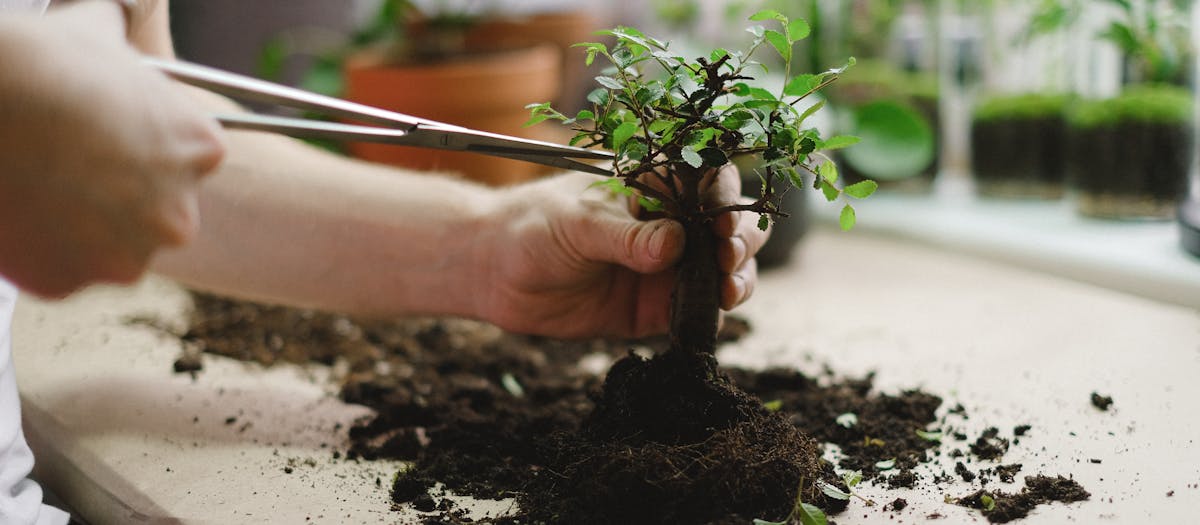
You need far fewer tools to start than the fifteen-piece rolls suggest. A beginner can do everything the first year or two needs with a pair of shears, one concave cutter and a roll of wire. This guide explains what each tool does, the steel and build worth paying for, and what a beginner needs first — so your money goes to a few good tools rather than a drawer of unused ones. Then it points you to the picks once they are verified.
How to read this. The value here is knowing which tools earn their place and which can wait — so read the framework first, then look at the picks.
How to choose bonsai tools
Five things decide whether a tool or kit suits a beginner. They are exactly the columns in the comparison below.
Tools included — the working three
A useful starting set covers shears (or scissors), a concave cutter and wire. That handles trimming, clean branch removal and shaping. Beware kits that pad the count with tools a beginner never uses while skimping on the two or three that matter. The tools hub explains what each tool does in more depth.
Steel — carbon or stainless, but sharp
Carbon steel takes a very keen edge and holds it, but needs wiping dry to avoid rust. Stainless resists rust and is lower-maintenance, at a slightly less keen edge. For a beginner either is fine; what matters more is that the blades are genuinely sharp and meet cleanly, because a crushing cut heals poorly.
Primary use — match the tool to the job
Shears trim shoots, leaves and fine roots; a concave cutter removes branches cleanly; wire holds a branch in a new position while it sets. Buy for the jobs you will actually do in the first year — trimming and a little shaping — not the specialist tasks that come later.
Build — comfortable, durable, properly aligned
A good tool feels balanced in the hand, has blades that close evenly with no gap, and a pivot that stays tight. Poorly aligned blades crush instead of cut. You do not need the most expensive Japanese tools to start, but you do want ones that are built well enough to cut cleanly and last.
Beginner-friendly — forgiving and simple
The most beginner-friendly setup is a comfortable pair of shears, one concave cutter, and soft aluminium wire that is easy to apply and remove. Save copper wire, knob cutters, root rakes and jin pliers until a task in front of you calls for them.
The tools compared
A short list of widely available tools and kits, compared on the five points above. Specs are verified against manufacturer and current Amazon listings — no hands-on testing claims, just what is in the kit and how it is built.
| Best for | Tools included | Steel | Primary use | Build | Beginner-friendly |
|---|---|---|---|---|---|
| Best overall kit | Butterfly shears, aluminum wire, fertilizer, frit, mud figurine, care guide | Japanese stainless (shears) | General care — pruning, wiring, fertilizing | Bamboo storage case | Yes |
| Best budget | 3 scissors, 2 leaf cutters, 2 tweezers, 3 shovels/rakes, 6 training wires, 1 wire cutter, 5 plant markers | High carbon steel | Trimming, root work, wiring, grooming | Carry bag included | Yes |
| Best shears (single) | 1 pair butterfly pruning shears | S58C black carbon steel, hand-forged | Branch, leaf and root pruning | Hand-forged in Sanjo, Niigata Prefecture, Japan | Yes |
| Best concave cutter | 1 concave branch cutter | Stainless steel | Branch removal; promotes flush, concave wound healing | Offset blade, 210mm total length | No — specialty tool for pruning stage |
| Best wire set | 10 rolls wire — 2 rolls per gauge | Anodized aluminum | Branch training and shaping | 5 gauges: 1.0 / 1.5 / 2.0 / 2.5 / 3.0mm — 164 ft total | Yes |
Our top picks
Best overall kit: Tinyroots Starter Bonsai Tool Kit — Butterfly Shears, Aluminum Wire, Fertilizer, Figurine, Survival Guide, Bamboo Case

Best overall kit
Tinyroots Starter Bonsai Tool Kit — Butterfly Shears, Aluminum Wire, Fertilizer, Figurine, Survival Guide, Bamboo Case
Tinyroots
- Tools included: Butterfly shears, aluminum wire, fertilizer, frit, mud figurine, care guide
- Steel: Japanese stainless (shears)
- Primary use: General care — pruning, wiring, fertilizing
- Build: Bamboo storage case
- Beginner-friendly: Yes
- Best for: First bonsai owner wanting a complete everything-in-one starter
Tinyroots packs a real pair of butterfly shears, aluminum training wire, Uncle Bill's fertilizer, frit, a Chinese mud figurine, and a beginner guide into a bamboo case — all the day-one essentials in one thoughtful bundle. The butterfly shears alone are worth the price; finding this quality under $35 elsewhere is a challenge.
Last checked 2026-05-21
Best budget: PEEORNT Bonsai Tree Tools Kit — 22 Pieces, High Carbon Steel Trimming Tools Set with Pruning Shears, Cutters and Training Wires

Best budget
PEEORNT Bonsai Tree Tools Kit — 22 Pieces, High Carbon Steel Trimming Tools Set with Pruning Shears, Cutters and Training Wires
PEEORNT
- Tools included: 3 scissors, 2 leaf cutters, 2 tweezers, 3 shovels/rakes, 6 training wires, 1 wire cutter, 5 plant markers
- Steel: High carbon steel
- Primary use: Trimming, root work, wiring, grooming
- Build: Carry bag included
- Beginner-friendly: Yes
- Best for: Budget beginners who want to try every technique without over-investing
Twenty-two tools for under $28 — PEEORNT covers the full range of beginner bonsai tasks from branch trimming to root raking to wiring. The high-carbon steel tools are lightly oiled to prevent rust and hold an edge well enough for light daily use. Not professional grade, but more than sufficient to learn every technique before upgrading.
Last checked 2026-05-21
Best shears (single): Wazakura Hanafubuki Bonsai Scissors — Made in Japan, 7 inch (180mm), S58C Carbon Steel, Traditional Butterfly Shears

Best shears (single)
Wazakura Hanafubuki Bonsai Scissors — Made in Japan, 7 inch (180mm), S58C Carbon Steel, Traditional Butterfly Shears
Wazakura
- Tools included: 1 pair butterfly pruning shears
- Steel: S58C black carbon steel, hand-forged
- Primary use: Branch, leaf and root pruning
- Build: Hand-forged in Sanjo, Niigata Prefecture, Japan
- Beginner-friendly: Yes
- Best for: Quality upgrade; daily pruning; gift for a bonsai enthusiast
Forged by hand in Sanjo — the Japanese city whose blacksmiths have produced blades since the 17th century. S58C carbon steel holds a razor edge session after session, and the butterfly handle puts excellent leverage right at the blade for comfortable control. At 156g of balanced steel, these will outlast any plastic-handled import by years.
Last checked 2026-05-21
Best concave cutter: VOUIU 8-inch Concave Cutter Bonsai Tools — Stainless Steel, Offset Cutting Edge

Best concave cutter
VOUIU 8-inch Concave Cutter Bonsai Tools — Stainless Steel, Offset Cutting Edge
VOUIU
- Tools included: 1 concave branch cutter
- Steel: Stainless steel
- Primary use: Branch removal; promotes flush, concave wound healing
- Build: Offset blade, 210mm total length
- Beginner-friendly: No — specialty tool for pruning stage
- Best for: Branch removal on intermediate to advanced trees
The concave cutter is the one tool that separates serious bonsai practice from casual trimming. VOUIU's 8-inch offset blade removes branches leaving a concave wound — one that heals flush with the trunk instead of leaving an ugly knob. Stainless steel and well-priced; an accessible entry point into an essential specialty tool.
Last checked 2026-05-21
Best wire set: Hotop 10 Rolls Bonsai Training Wire — Anodized Aluminum, 5 Sizes (1.0–3.0mm), 164 Feet Total, Black

Best wire set
Hotop 10 Rolls Bonsai Training Wire — Anodized Aluminum, 5 Sizes (1.0–3.0mm), 164 Feet Total, Black
Hotop
- Tools included: 10 rolls wire — 2 rolls per gauge
- Steel: Anodized aluminum
- Primary use: Branch training and shaping
- Build: 5 gauges: 1.0 / 1.5 / 2.0 / 2.5 / 3.0mm — 164 ft total
- Beginner-friendly: Yes
- Best for: All branch sizes; complete starter wiring set
Ten rolls across five gauges means you'll always have the right wire for any branch — from the finest ramification at 1.0mm to structural primaries at 3.0mm. Anodized aluminum is the beginner's go-to: softer than copper, easy to bend by hand, and gentle on bark. At 164 feet total, you have plenty to experiment with before worrying about technique.
Last checked 2026-05-21
Who should buy what
Just starting out
A small kit of shears, a concave cutter and wire is the economical, sensible start. You will use all three in the first season and add the rest only as specific tasks arise.
Ready to style
Once you are pruning to shape and wiring branches, the concave cutter and a couple of wire gauges become the workhorses. A single quality concave cutter is worth more than a drawer of cheap tools.
Spending as little as possible
Buy the three essentials in decent quality and skip everything else. Maintained well, a few good tools last for years and outperform a cheap set you replace often.
Tools are part of the kit — but you need a tree first
Tools only matter once you have something to prune. If you are still at the start, the most efficient first purchase is a bonsai starter kit, which often bundles a forgiving tree, a pot, soil and basic tools in one go — then you can upgrade to better shears and a proper concave cutter from this guide as you progress. The tools hub covers what each tool does if you want the background first.
Frequently asked questions
What tools does a beginner actually need for bonsai?
Three things: a pair of bonsai shears or sharp scissors, one concave cutter, and a roll of aluminium training wire. That covers trimming, clean branch removal and shaping for the first year or two. You do not need a fifteen-piece tool roll to keep and style a beginner tree — a few good tools do the work.
What is a concave cutter and do I need one?
A concave cutter removes a branch with a slightly hollow cut that heals nearly flat, instead of the proud stub a flat cutter leaves. It is the one specialist tool worth buying early, because clean-healing cuts matter on a tree you are styling. A beginner needs one; the larger knob cutter can wait.
Should bonsai tools be carbon steel or stainless?
Both work. Carbon steel takes and holds a very keen edge but needs wiping dry to avoid rust. Stainless resists rust and is lower-maintenance, at a slightly less keen edge. For a beginner, either is fine — what matters more is that the blades are sharp and meet cleanly, since a crushing cut heals poorly.
Is aluminium or copper wire better for beginners?
Aluminium, to start. It is softer, easier to apply and remove, and more forgiving on a learner's hands and on bark. Copper holds more strongly for the same thickness and suits conifers and heavy branches, but it work-hardens and is harder to apply. Begin with a couple of aluminium gauges and add copper later if you need it.
Are cheap bonsai tool kits worth it?
A modest kit of decent shears, a concave cutter and wire is a sensible, economical start. Be wary of very cheap fifteen-piece rolls — they pad the count with tools a beginner never uses, often at the cost of the two or three that matter. A few good tools, kept sharp and clean, outlast a cheap drawerful.
How do I look after bonsai tools?
Wipe the blades clean after use, keep them dry to prevent rust, and keep them sharp. A clean cut heals faster and is kinder to the tree than a crushing one. A little maintenance makes inexpensive tools last for years, which is part of why a few good tools beat a cheap set you replace often.